
Ledger.com/Start® | Getting started®™ — Ledger Support
Use Ledger.com/start for device setup and wallet guidance, with helpful tools for tracking holdings, managing accounts, and handling crypto transfers.
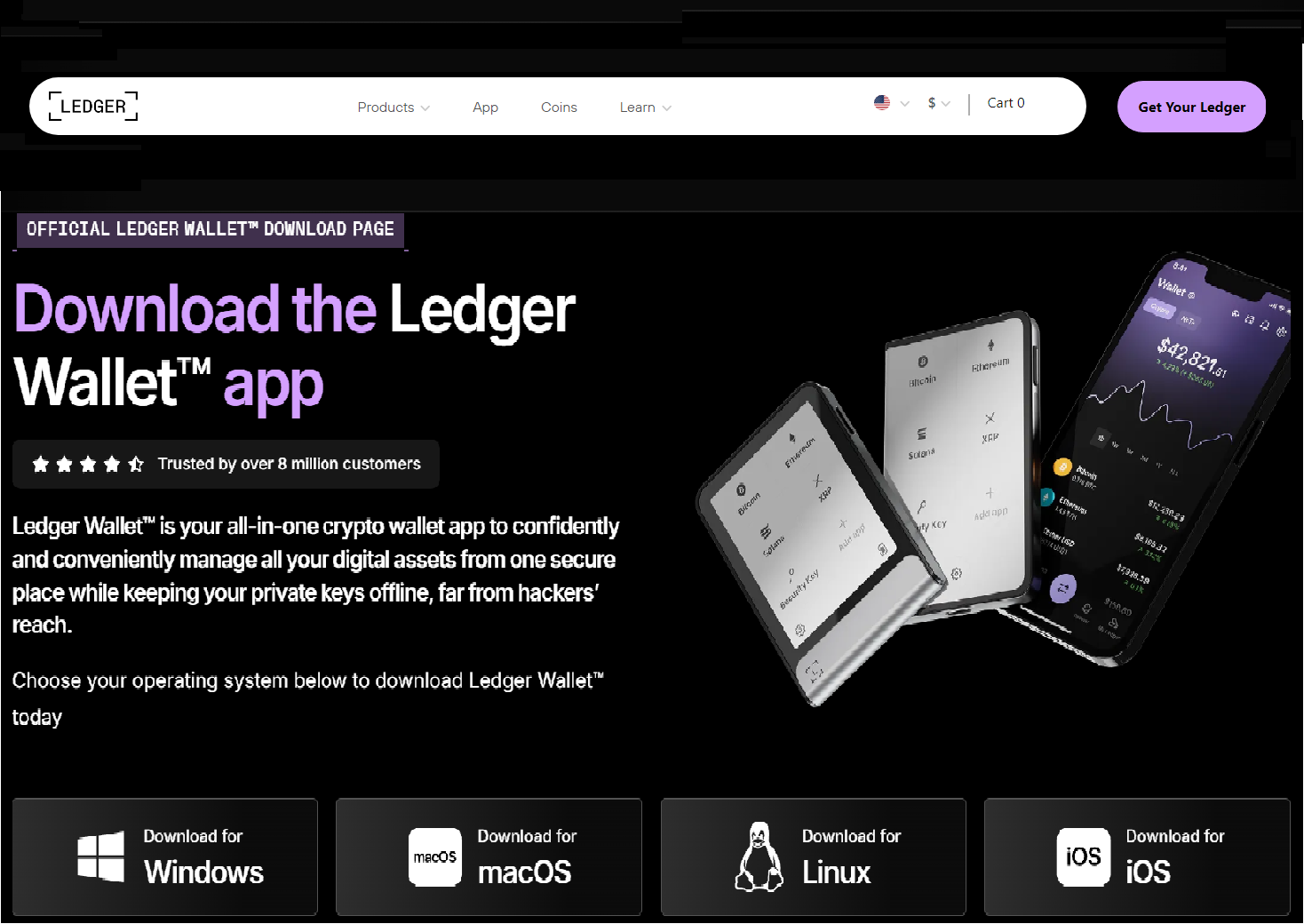
Ledger.com/start: Learn the Basics of Ledger Setup
A Ledger hardware wallet combines dedicated physical security with compatible wallet software to help users manage supported digital assets. For anyone beginning the setup process, Ledger.com/start can be a useful starting point for understanding how to prepare the device and establish a secure wallet routine.
Start From a Trusted Website
Before connecting your hardware wallet, make sure you are using the genuine Ledger website. Fake wallet pages can closely resemble legitimate services and may attempt to collect sensitive information.
Avoid clicking setup links from unknown sources. Open the official website independently whenever possible.
Prepare the Hardware
Connect your Ledger device and follow the instructions provided during setup. Depending on the device and software, the process can include device configuration and wallet preparation.
Read the prompts carefully and pay attention to information shown directly on the physical device.
If an important detail does not look familiar, pause before continuing.
Protect Your Recovery Details
Wallet recovery information is one of the most important parts of your setup. Follow the device instructions when preparing it and keep the resulting backup confidential.
Do not photograph it, store it in an ordinary online document, or send it through email or chat.
If somebody asks for your recovery information, do not provide it, even if they claim to represent Ledger.
Manage Supported Crypto Accounts
After completing setup, compatible Ledger wallet software can help you interact with supported accounts and assets.
You can explore available balances, review transactions, receive cryptocurrency, and prepare transfers depending on the asset and account.
Understanding your account structure before making transactions can help reduce avoidable mistakes.
Confirm Before You Send
Before approving a crypto transaction, review all relevant information.
Check the destination address, amount, and applicable network details. Then compare the transaction information shown on the hardware wallet with what you intended to approve.
If the details differ, stop rather than confirming the transaction.
Be Careful With Online Support
Scammers sometimes impersonate wallet companies through fake support profiles and messages. They may claim that an account needs immediate verification or that a wallet must be restored.
Never respond by sharing confidential wallet information. Instead, close the message and access official Ledger resources directly.
Build a Safe Routine
A good hardware-wallet routine is based on consistency. Use trusted software, protect your recovery backup, keep your device secure, and verify transactions before approving them.
These simple practices can help users become more comfortable with their Ledger wallet while reducing common security mistakes.
Frequently Asked Questions
What can I learn through Ledger.com/start?
It can help users begin the setup process and understand the basic steps involved in using a Ledger hardware wallet.
Why is the recovery backup important?
It can be essential for recovering wallet access, so it should be kept private and securely stored.
What should I verify before sending crypto?
Check the destination address, amount, network information where applicable, and the final details displayed on your Ledger device.
Should I trust an unexpected Ledger support message?
Treat unexpected messages cautiously and verify them through official resources before taking action.
Is wallet security finished after setup?
No. Safe wallet management continues through secure backups, trusted software, careful transaction verification, and awareness of phishing attempts.
Updated about 6 hours ago