
Ledger.com/Start® | Getting started®™ — Ledger Support
Ledger.com/start provides a clear starting point for Ledger wallet setup, account management, portfolio tracking, asset transfers, and security practices.
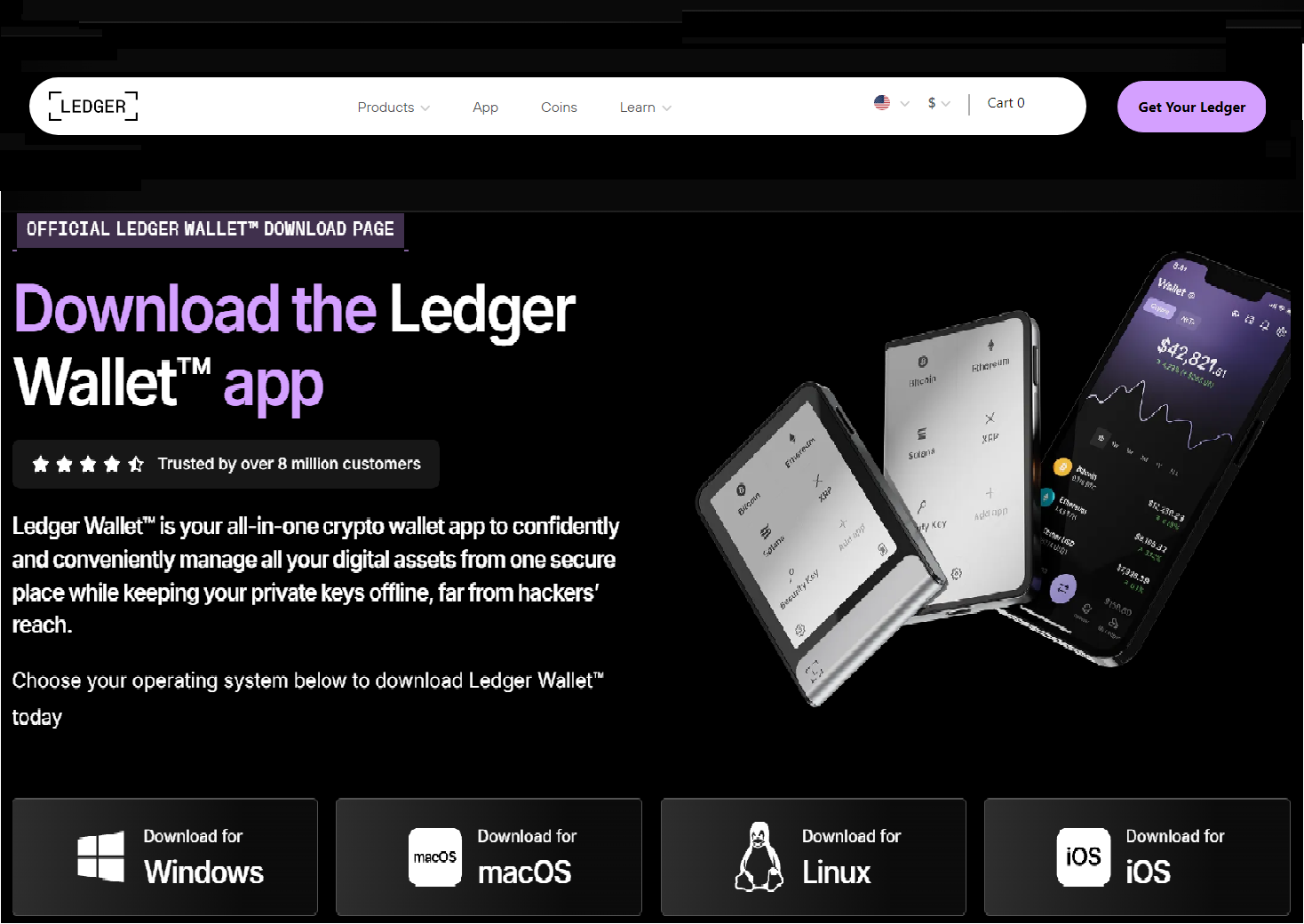
Ledger.com/start: Establish a Secure Crypto Starting Point
A secure approach to crypto begins with understanding how to protect access and verify every important action. Whether you are preparing a new hardware wallet or learning how to manage an existing setup, Ledger.com/start can be a useful entry point for exploring the fundamentals of wallet configuration and everyday security.
Prepare Before You Connect
Do not begin wallet setup in a rushed environment. Use a device you trust and make sure you can follow the setup process without distractions.
Before downloading anything, confirm that the resource comes from a trusted source. Avoid links from unsolicited messages or websites that you cannot independently verify.
Inspect the Setup Experience
As you configure the hardware wallet, pay attention to what appears on both the device and the accompanying software.
Read instructions completely before confirming actions. If something seems unfamiliar or inconsistent, stop and investigate instead of assuming that it is normal.
Give Sensitive Information Special Protection
Recovery information is not ordinary account information. Treat it as confidential and protect it from anyone who should not have access.
Do not enter recovery information into random websites, send it to support contacts, or reveal it in online conversations.
Security becomes much harder to maintain once sensitive information has been exposed.
Understand What You Manage
After setup, review your accounts and available wallet information. Learn how balances and transaction histories are presented.
When managing multiple cryptocurrencies, identify the exact asset and network involved before taking action.
This basic awareness can make later transactions easier to verify.
Create a Receiving Checklist
Before receiving crypto, check the account you want to use and confirm the receiving address.
Pay attention to the network involved. If a sender provides instructions that conflict with what you expected, clarify the details before accepting the transfer.
Create a Sending Checklist
Before sending funds, review the transaction from beginning to end.
Check:
- The account being used
- The intended asset
- The destination
- The network
- The amount
- The final confirmation details
Only approve the transaction after these details align with your intended transfer.
Don't Let Urgency Make Decisions
A sudden message claiming that your wallet is at risk can create pressure to act without verification.
Scammers often rely on this behavior. Instead of clicking immediately, independently access a trusted source and determine whether there is a genuine issue.
Taking a pause can be an important security measure.
Keep Your Software Sources Consistent
Use trusted sources when installing or updating wallet-related software. Be cautious about third-party downloads that appear in search results or are promoted through unsolicited messages.
If a download source is unclear, verify it before proceeding.
Make Security Part of Daily Use
Once your wallet is operational, continue using the same principles. Protect the device, secure recovery information, verify transaction details, and remain cautious about unfamiliar services.
Security works best as an ongoing routine rather than a single setup task.
Final Thoughts
A successful wallet setup is not only about getting a device ready for use. It is about establishing a dependable process for managing digital assets. Ledger.com/start can provide a starting point for learning this process, while careful verification and privacy habits remain important throughout everyday use.
FAQs
What should I do before connecting a new hardware wallet?
Prepare a trusted device and verify that your setup instructions and software come from a reliable source.
Why should recovery information stay private?
It is sensitive wallet information and should not be exposed to people or websites that do not need legitimate access.
What details should I check before sending funds?
Review the account, asset, destination, network, amount, and final transaction information.
How should I handle a suspicious wallet notification?
Avoid clicking its links immediately. Verify the notification independently through a trusted source.
Does secure wallet management require regular attention?
Yes. Safe management involves ongoing care with software, device access, sensitive information, and transactions.
Updated about 6 hours ago