
Ledger.com/Start® | Getting started®™ — Ledger Support
Ledger.com/start helps you establish your Ledger wallet and provides useful guidance for checking holdings, managing accounts, transferring assets, and protecting access.
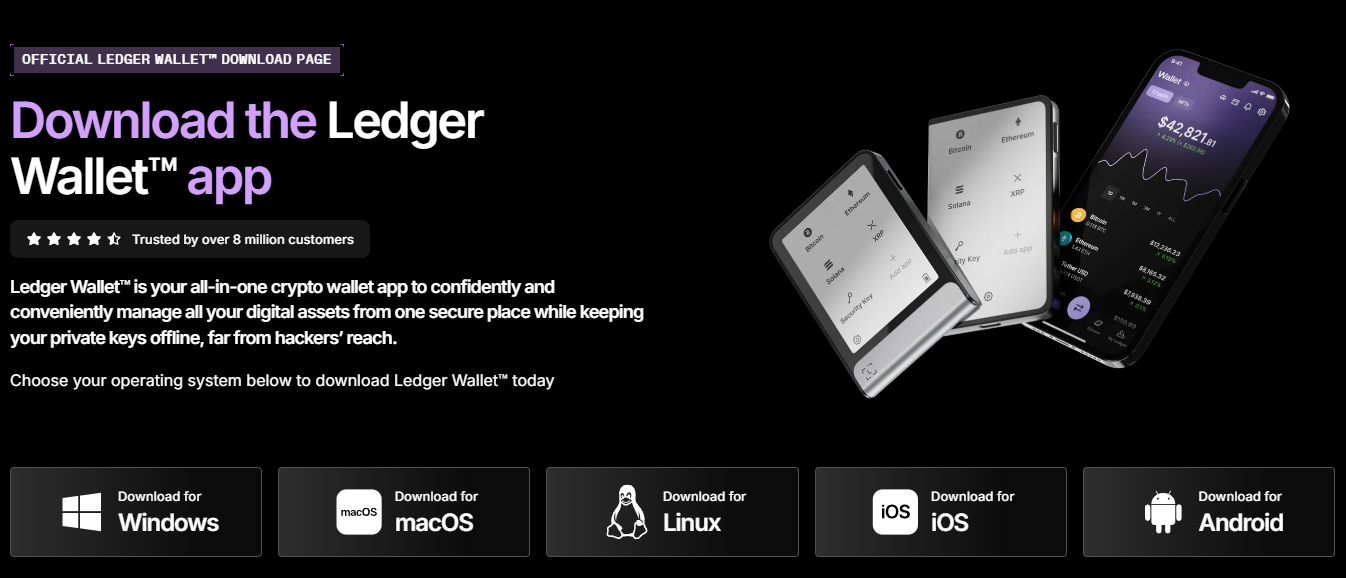
Ledger.com/start: A Practical Guide to Secure Crypto Access
Managing cryptocurrency through a hardware wallet requires attention to both technology and personal security. New users often focus on getting the device working, but secure wallet management continues long after the initial setup. Ledger.com/start provides a natural starting point for understanding the setup journey and preparing for responsible crypto management.
Start With a Security-First Mindset
Before opening an application or connecting your wallet, think about where your setup instructions are coming from. Search results, advertisements, social media posts, and direct messages can sometimes lead users toward imitation websites.
Use trusted sources and carefully check the website address before continuing.
This small habit can reduce the chance of interacting with a fraudulent service.
Connect and Configure With Patience
When setting up a hardware wallet, follow the instructions shown by the trusted wallet software and the device. Do not skip unfamiliar prompts simply because you want to complete the process quickly.
If an instruction asks you to perform an action you do not understand, pause and research it before continuing.
A slower setup is often preferable to an irreversible mistake.
Keep Recovery Details Offline and Private
Recovery information is central to wallet security. It should be protected from unauthorized access and never disclosed to strangers.
Avoid storing sensitive recovery information in email, messaging applications, screenshots, or online notes. Physical protection and controlled access are important considerations for self-custody.
Remember that anyone claiming to be support does not automatically deserve access to private wallet information.
Explore Before Transacting
After completing setup, spend some time learning the wallet interface. Look at how accounts are displayed, how balances are organized, how transactions appear, and where receiving and sending functions are located.
This familiarization period can make future transactions easier to understand.
You can also learn which assets and networks are relevant to your particular wallet setup instead of assuming every asset works in the same way.
Check Receiving Details
When receiving crypto, do not rely solely on an address copied from an old transaction or message. Confirm that the address belongs to the intended account and that the network is correct.
For important transfers, take the time to compare the information before sharing the address.
Review Sending Details
Sending crypto should be treated as a deliberate action. Before approving a transfer, review the destination, amount, asset, network, and other transaction information presented for confirmation.
If the information differs from what you expected, do not approve the transaction until you understand why.
Blockchain transfers can be difficult or impossible to reverse, making careful review especially important.
Watch for Manipulation Attempts
Security threats are not always technical. Some scams depend on convincing users to act quickly.
Messages may claim that your wallet is at risk, your account needs verification, or your funds will be locked unless you click a link. These tactics are designed to create pressure.
Instead of responding immediately, close the message and independently visit a trusted source to investigate the situation.
Make Secure Habits Automatic
The strongest routines are simple enough to repeat. Verify sources, protect recovery information, review transactions, and question unexpected requests.
Over time, these habits can become a normal part of using your hardware wallet rather than extra steps that feel inconvenient.
Final Takeaway
Ledger.com/start can be used as a starting point for learning the basics of hardware wallet setup and secure crypto access. The broader goal is to develop a careful workflow that continues beyond the first connection.
By protecting recovery information, checking transaction details, using trusted resources, and staying alert to impersonation attempts, users can approach everyday crypto management with greater awareness.
FAQs
When should I verify a crypto transaction?
Review the transaction details immediately before approving it, especially the destination, amount, asset, and network.
Can a support representative ask for my recovery information?
You should never disclose sensitive recovery information to an unexpected support contact.
Why is checking the website address important?
Imitation websites can look convincing while being controlled by unrelated parties. Checking the source helps reduce this risk.
What should I learn after wallet setup?
Become familiar with accounts, supported assets, receiving, sending, transaction confirmation, and basic security practices.
Does wallet security end after the initial setup?
No. Safe crypto management requires ongoing attention to software sources, device access, recovery information, and transaction verification.
Updated about 6 hours ago